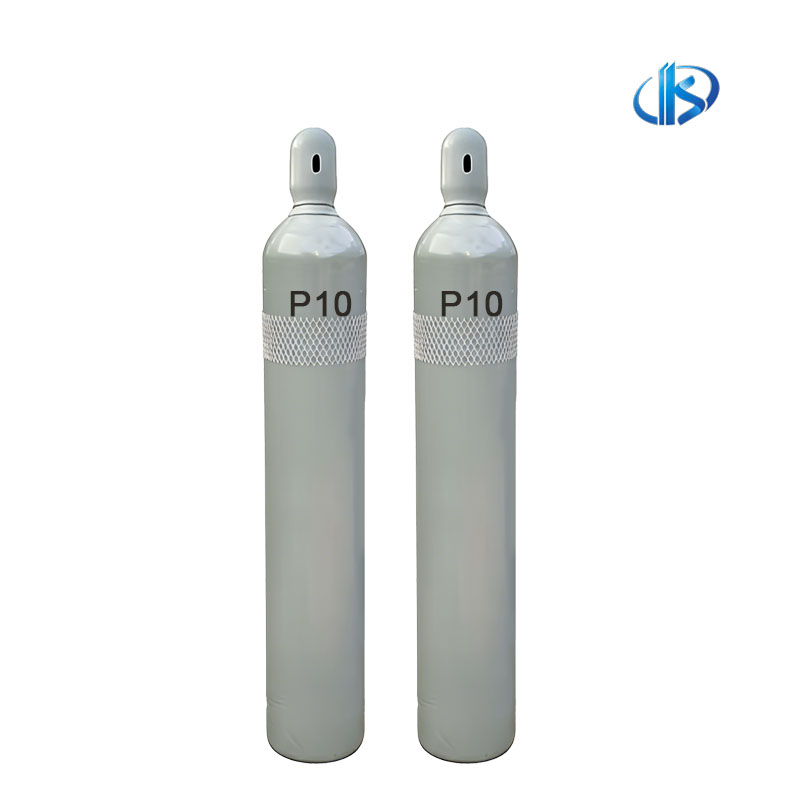
P10
Brand: KJS
Product origin: China
Delivery time: About 30days after down payment
P10 gas, also known as argon methane mixture, is a special gas composed of 90% high-purity argon gas (Ar) and 10% high-purity methane (CH ₄) mixed in precise proportions.
P10 gas, with its stable physical and chemical properties and unique ionization performance, has become an indispensable core medium in precision analysis, industrial manufacturing, and scientific research fields. It is widely compatible with various high-end detection instruments and process scenarios, providing solid guarantees for experimental accuracy and production quality.
Core Ingredients and Product Specifications
The performance advantage of P10 gas comes from rigorous raw material selection and precise proportioning control, ensuring gas purity and stability from the source:
-Composition ratio: P10 fixed ratio of 90% argon and 10% methane, with argon purity reaching 99.999% (5 N), methane purity not less than 99.999%, extremely low impurity content, moisture content ≤ 25ppm, effectively avoiding interference of impurities on instrument detection or process effectiveness.
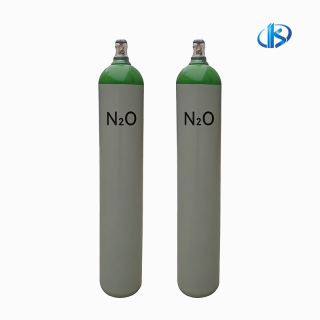
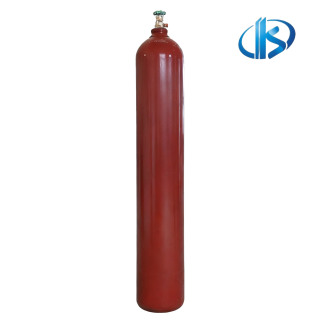
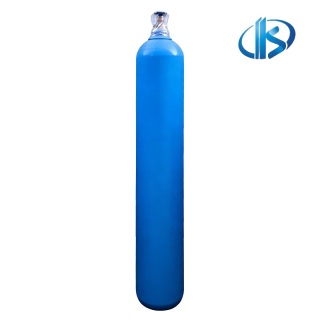
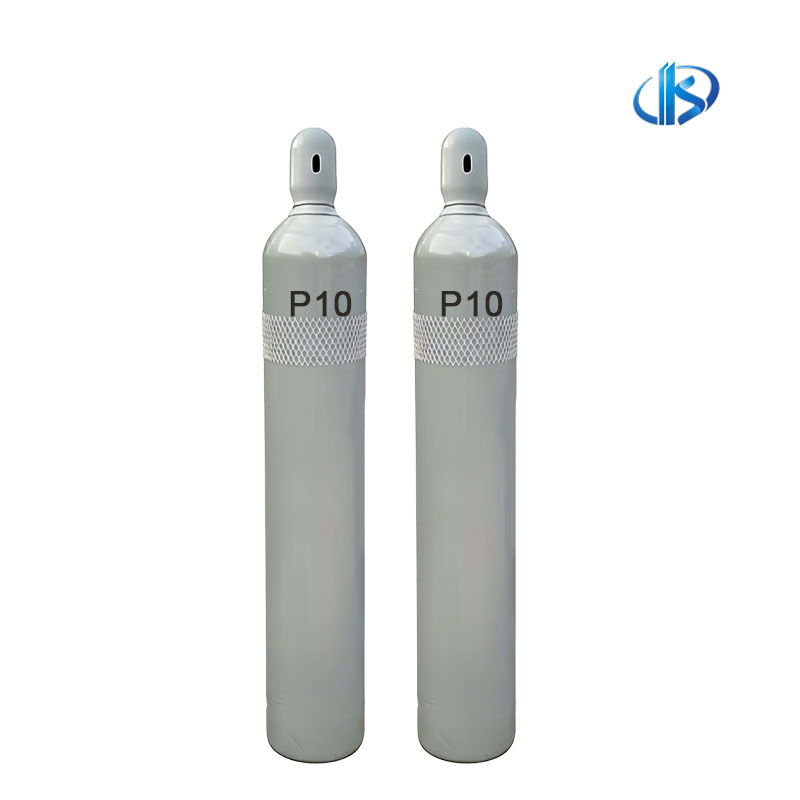
-Packaging specifications: P10 is filled with 40L high-pressure steel cylinders, with a standard filling pressure of 10MPa, suitable for industrial and laboratory gas storage and use scenarios, and easy for long-distance transportation and on-site deployment.
-Basic parameters: P10 is a colorless and odorless compressed gas with a molecular weight of 37.5, a gas density of 0.098lb/cu ft (21.1 ℃, 1atm), a boiling point of -291.6 ℉ (1atm), stable chemical properties, no harmful ozone decomposition substances, and overall non flammable characteristics (methane is flammable and explosive, neutralized by the inert properties of argon, and does not belong to flammable and explosive dangerous goods).
Core Characteristics and Operating Principles
The core value of P10 gas comes from the synergistic effect of argon and methane, and its unique performance can meet the demanding requirements of high-end scenarios:
1. Stable ionization response: Argon gas, as an inert gas, has stable chemical properties and is prone to ionization and ion flow when exposed to X-rays or electron beams; Methane molecules have high electron affinity and can efficiently participate in the electron capture process, forming a pulse signal proportional to the energy of the radiation, providing a basis for accurate detection.
2. Good chemical stability: After mixing, the gas properties are stable and not easily decomposed or chemically reacted. It can be stored for a long time with slow performance degradation, and can maintain a constant gas concentration during instrument operation, ensuring the repeatability and reliability of detection results.
3. Strong safety adaptability: Although methane is flammable and explosive when present alone, when mixed with 90% argon gas, it is classified as a non flammable gas (hazard level 2.2), non-toxic, and only needs to prevent the risk of suffocation caused by the decrease in oxygen content at high concentrations. It is compatible with the safety management requirements of laboratories and industrial sites.
Core application areas
Relying on its unique ionization and electron capture properties, P10 gas plays a key role in multiple high-end fields, covering scenarios such as analysis and detection, industrial manufacturing, and scientific research exploration
1. Precision instrument testing field
-X-ray Fluorescence Spectrometer (XRF): P10 is a specialized filling gas for gas flow proportional counters. The P10 gas generates pulse signals through avalanche ionization effect, accurately capturing the characteristic spectra of light elements. It is widely used in material composition analysis, geological exploration, cement industry testing, environmental sample screening and other scenarios, and is the core guarantee for quantitative analysis of light elements.
-Electron Capture Detector (ECD): In gas chromatography analysis, P10 is used for trace substance detection. The efficient capture of electrons by methane molecules enables rapid response and high-precision detection of trace components such as pesticide residues, toxic organic compounds, and environmental pollutants. With excellent sensitivity, it provides key data support for food safety, environmental monitoring, and drug development.
2. Industrial manufacturing field
As an inert protective gas, P10 gas can isolate air in metal welding and cutting processes, prevent surface oxidation and nitriding of workpieces, improve surface smoothness and structural stability of processed parts, especially suitable for processing high demand materials such as stainless steel and aluminum, with both stability and cost-effectiveness advantages. Meanwhile, in gas discharge tubes, laser manufacturing, and semiconductor plasma processes, it can be used as a filling medium to maintain discharge stability and optimize equipment operating efficiency.
3. Calibration and Research Fields
As a standard gas, P10 gas has precise concentration and stable performance, and is a reference material for instrument calibration such as XRF and ECD, ensuring the traceability of detection results and industry consistency. In cutting-edge scientific research, the ionization characteristics of P10 provide fundamental support for experiments in fields such as quantum computing and new material detection, helping to achieve technological breakthroughs.
Safety storage and usage regulations
To ensure safe use and gas performance, the following storage and operation requirements must be strictly followed:
1. Storage standards
-Store in a well ventilated area away from heat sources, fire sources, and static power sources, with an ambient temperature not exceeding 52 ℃ (125 ℉), and avoid direct sunlight.
-P10 steel cylinders should be placed upright and firmly fixed, with the valve cover and output valve sealed properly. Empty and full cylinders should be stored in separate areas, following the principle of "first in, first out" to prevent long-term performance degradation of full cylinders.
2. Usage standards
-Wear protective equipment such as goggles and gloves before operation, check whether the steel cylinder valve, pressure gauge, and connecting pipeline are intact, use special tools to connect, and ensure that the seal is leak free.
-Using a two-stage pressure reducing valve to regulate the output pressure, it is recommended to stabilize it at 0.5 bar to avoid pressure fluctuations affecting instrument operation; Regularly monitor the flow and pressure during use, and immediately close the air valve to investigate the cause if any abnormalities are found.
-It is strictly prohibited to pull or roll steel cylinders, and a dedicated handcart should be used when moving them; It is prohibited to use open flames to heat steel cylinders. When using in confined spaces, ventilation should be strengthened to prevent suffocation caused by oxygen content below 19.5%. Rescue personnel should be equipped with self-contained breathing apparatus (SCBA).
3. Transportation requirements
The transportation name is Compressed Gas (N.O.S.), UN number 1956, hazard level 2.2. During transportation, the steel cylinder must be fixed upright on a well ventilated transport vehicle, with the valve closed and the valve cap installed. It is strictly prohibited to transport it in the same compartment as personnel and comply with relevant dangerous goods transportation regulations.
Product advantages and prospects
P10 gas, with precise proportioning control, ultra-high purity, and stable performance, can perfectly adapt to high-end instruments and demanding process requirements, providing reliable gas solutions for various fields. With the rapid development of precision analysis technology, high-end manufacturing, and cutting-edge scientific research, its application boundaries continue to expand, and the demand for ultra trace detection, new semiconductor processes, and other fields is steadily increasing. We will always adhere to the strict standards of raw material purification, ratio calibration, packaging and transportation throughout the entire process, providing users with high-quality P10 gas and professional technical support, and helping various industries develop with high quality.