Monoethanolamine
Brand: KJS
Product origin: China
Delivery time: About 30days after down payment
1.Monoethanolamine (MEA), as an important organic amine compound, is the most basic and widely used variety in the ethanolamine series products.
2.The molecular structure of monoethanolamine combines both hydroxyl (- OH) and amino (- NH ₂) functional groups, endowing it with good water solubility, alkalinity, emulsifying properties, and reactivity. It plays an irreplaceable role in various industrial fields such as petrochemicals, pharmaceuticals, daily chemical products, and textiles.
3.Monoethanolamine relies on advanced synthesis technology to ensure high purity, low impurity content, stable performance, and can accurately match the application needs of different industries.
Basic Information
-Chemical name: Monoethanolamine, 2-Aminoethanol
-Molecular formula: C ₂ H ₇ NO
-Molecular weight: 61.08
-CAS Number: 141-43-5
-EINECS Number: 205-483-3
Physical and chemical properties
1. Physical properties
Monoethanolamine is a colorless and transparent viscous liquid with a slight ammonia odor, which is easily hygroscopic. The key physical parameters are as follows:
-Melting point: 10.5 ℃
-Boiling point: 170.5 ℃
-Relative density (20 ℃/4 ℃): 1.0180-1.0210
-Refractive index (20 ℃): 1.4520-1.4540
-Solubility: Monoethanolamine is highly soluble in polar solvents such as water, ethanol, methanol, and acetone, and slightly soluble in non-polar solvents such as ether and benzene. It can undergo chemical reactions with acids, esters, aldehydes, etc.
2. Chemical properties
The chemical properties of monoethanolamine are mainly determined by the combination of amino and hydroxyl groups, exhibiting typical amine basicity and nucleophilic reactivity of alcohols
-Alkaline: Monoethanolamine can react with strong acids to form salts and undergo neutralization reactions with acidic gases such as carbon dioxide and hydrogen sulfide. This is the core principle of its use in gas purification;
-Hydroxyl reaction: Monoethanolamine can undergo esterification, etherification, amidation and other reactions, and is used to synthesize surfactants, lubricants and other products;
-Other reactions: Monoethanolamine reacts with ethylene oxide to produce diethanolamine and triethanolamine; Reacting with aldehydes to generate Schiff bases, further reduction can prepare amine derivatives.
Core application areas
Due to its unique physical and chemical properties, monoethanolamine is widely used in the following industries:
1. Gas purification field (main application)
Monoethanolamine is an efficient acid gas absorbent that can be used in industrial processes such as petroleum refining, natural gas extraction, and ammonia synthesis to remove acidic impurities such as carbon dioxide (CO ₂) and hydrogen sulfide (H ₂ S) from feed gas or exhaust gas. The absorption principle of monoethanolamine is to generate salts through reversible reaction between amino groups and acidic gases. After heating and analysis, the acidic gases can be recovered. At the same time, the monoethanolamine solution can be recycled, which is both economical and environmentally friendly.
2. Surfactants and daily chemical industry
Monoethanolamine can react with fatty acids to produce fatty acid ethanolamide (such as cocoamide MEA), fatty acid soap, etc. These products have excellent emulsification, foaming, foam stability, and stain removal properties, and are widely used in the formulation of daily chemical products such as shampoo, shower gel, laundry detergent, and dishwashing detergent; Meanwhile, monoethanolamine can also be used as an emulsifier in the production of industrial additives such as coatings, inks, and metalworking fluids.
3. Pharmaceutical and pesticide fields
As an important pharmaceutical intermediate, monoethanolamine can be used for the synthesis of antibiotics (such as penicillin, cephalosporins), antihistamines, local anesthetics, etc; In the field of pesticides, monoethanolamine can be used to prepare herbicides, insecticides and other products, enhancing the activity and stability of pesticides by adjusting their molecular structure.
4. Textile and printing and dyeing fields
Monoethanolamine can be used as a softener and antistatic agent for textile fibers, which can improve the feel and comfort of the fibers; Meanwhile, monoethanolamine, as a printing and dyeing assistant, can adjust the pH value of the dye solution, improve the dye uptake and dyeing uniformity, especially suitable for the dyeing process of acid dyes and reactive dyes.
5. Other fields
In the field of metal processing, monoethanolamine can be used as a corrosion inhibitor to protect metal surfaces from corrosion; In the cement industry, monoethanolamine is used as a cement grinding aid to improve the grinding efficiency and strength of cement; In addition, monoethanolamine can also be used to prepare synthetic resins, rubber accelerators, lubricants, and other products.
Product specifications and quality standards
This product strictly follows the national standard for industrial grade monoethanolamine (GB/T 4649-2008), and the core quality indicators are as follows (customized specifications can be provided according to customer needs):
-Purity: ≥ 99.0%
-Moisture content: ≤ 0.5%
-Diethylamine content: ≤ 0.3%
-Color (APHA): ≤ 25
-Density (20 ℃): 1.018-1.021 g/cm ³
Safety and Storage Instructions
1. Safety Warning
Monoethanolamine is irritating and has a corrosive effect on the skin, eyes, and respiratory tract. It may cause discomfort such as redness, swelling, and burns upon contact. Wear protective goggles, acid and alkali resistant gloves, protective clothing and other protective equipment during operation to avoid direct contact; If accidentally touched, immediately rinse the contact area with plenty of flowing water for at least 15 minutes, and seek medical attention if necessary.
Monoethanolamine is flammable with a flash point of 93 ℃. It should be kept away from sources of fire and heat (avoiding temperatures exceeding 50 ℃). It is strictly prohibited to store or transport it together with strong oxidants, strong acids, or flammable materials.
2. Storage requirements
Monoethanolamine should be stored in a cool, dry, and well ventilated warehouse, sealed to prevent moisture absorption and carbon dioxide reaction in the air; The storage container for monoethanolamine should be made of corrosion-resistant materials (such as stainless steel, HDPE, etc.); The shelf life is 12 months (under specified storage conditions), and after expiration, it needs to be re inspected and qualified before use.
Packaging and Transportation
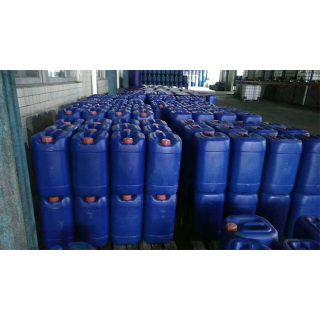
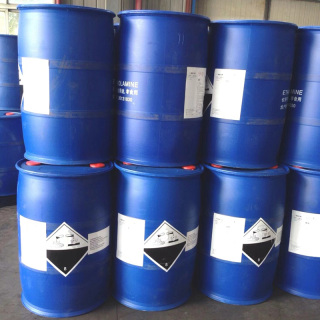
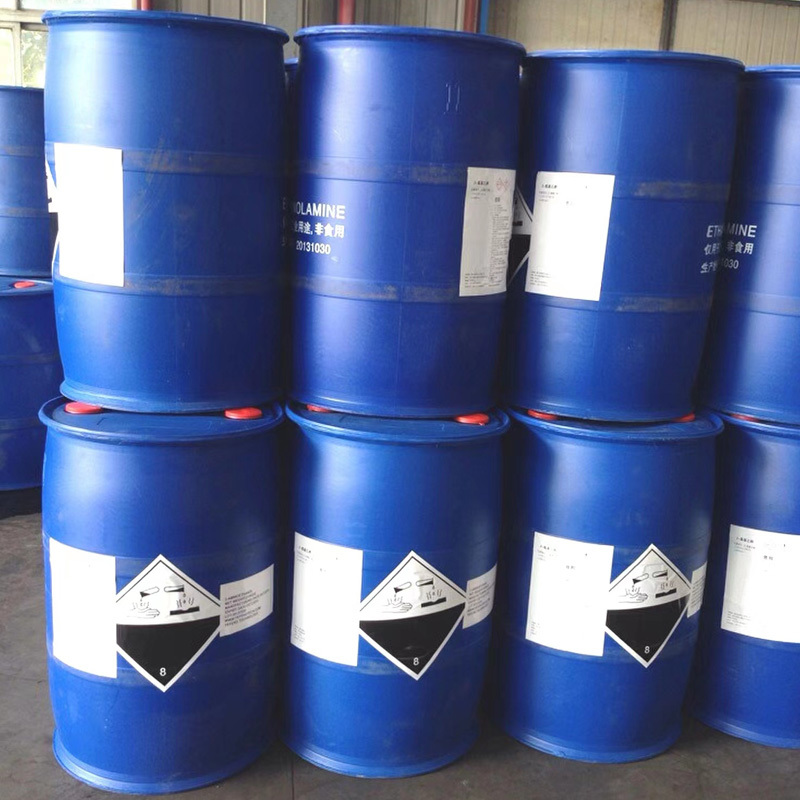
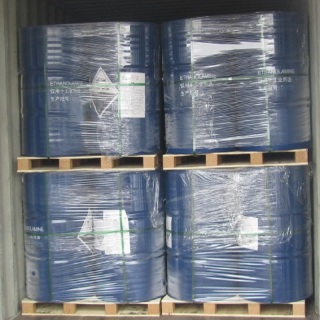
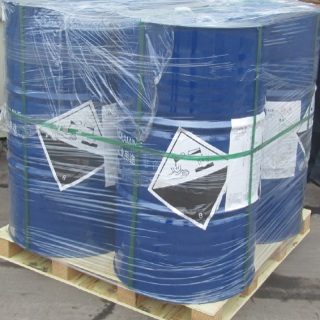
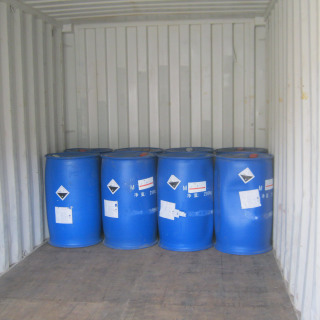
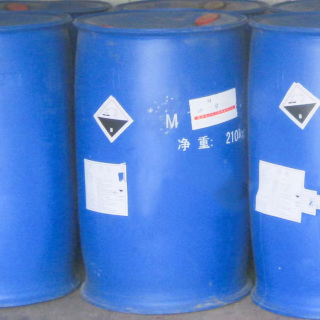
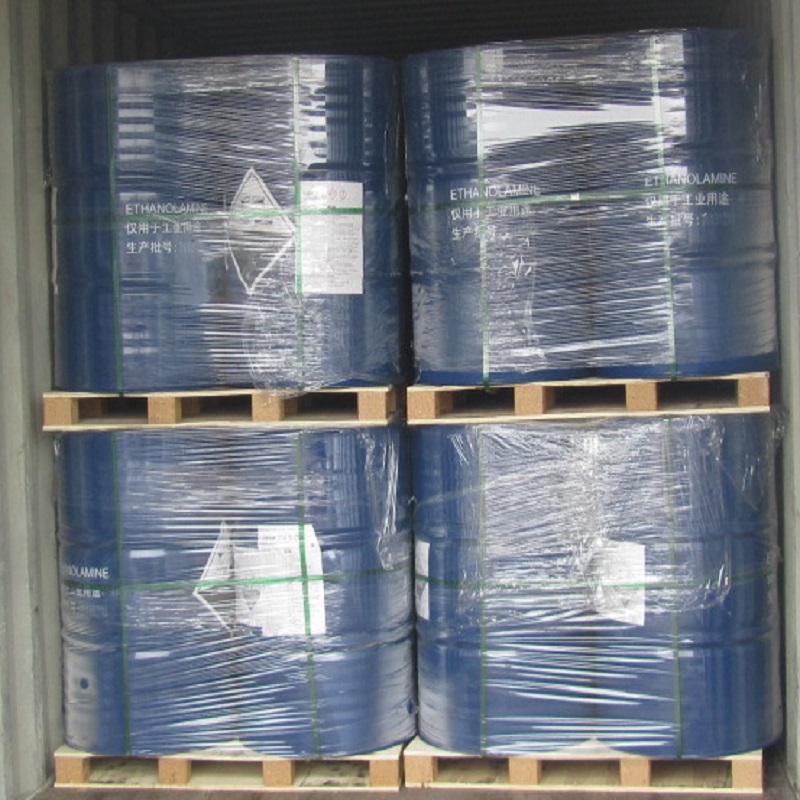
Packaging specifications: 200L plastic drum (net weight 205kg/drum), 1000L IBC container drum (net weight 1020kg/drum), and can also be transported by tanker according to customer needs.
Transportation requirements: During transportation, it is necessary to load and unload gently, avoid collisions and inversion, and prevent packaging damage and leakage; Transport vehicles should be equipped with corresponding fire-fighting equipment and emergency response equipment for leaks, and strictly comply with relevant regulations on the transportation of dangerous goods.