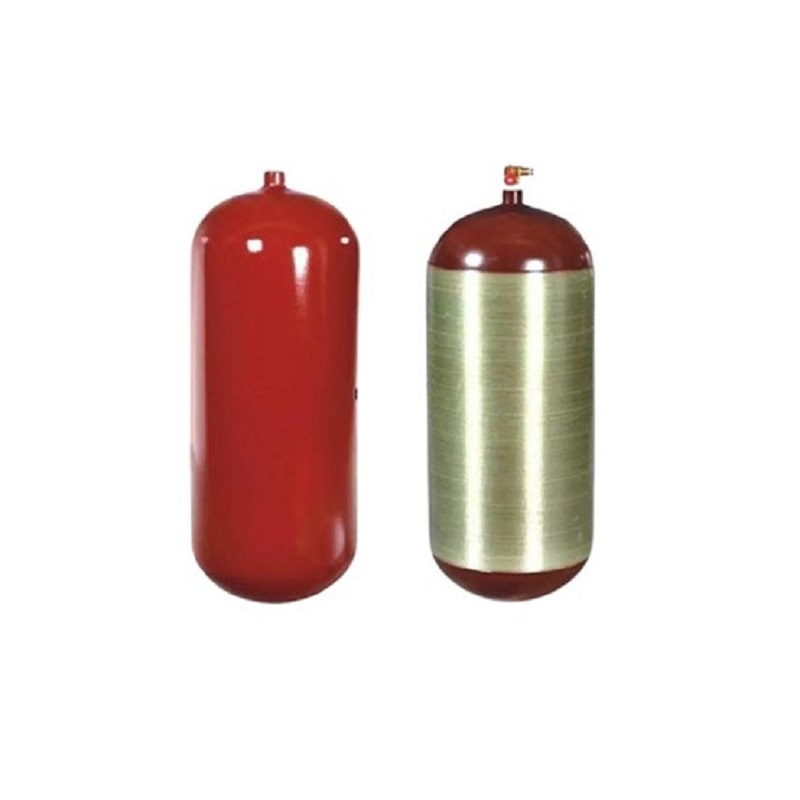
How are steel cylinders manufactured?
Gas cylinder refers to a mobile pressure vessel that can be refilled and used under normal conditions (-40~60 ℃), with a nominal working pressure of 1.0~30MPa (gauge pressure) and a nominal volume of 0.4~1000 L, containing permanent gases, liquefied gases or dissolved gases
According to the manufacturing method, gas cylinders can be divided into four types
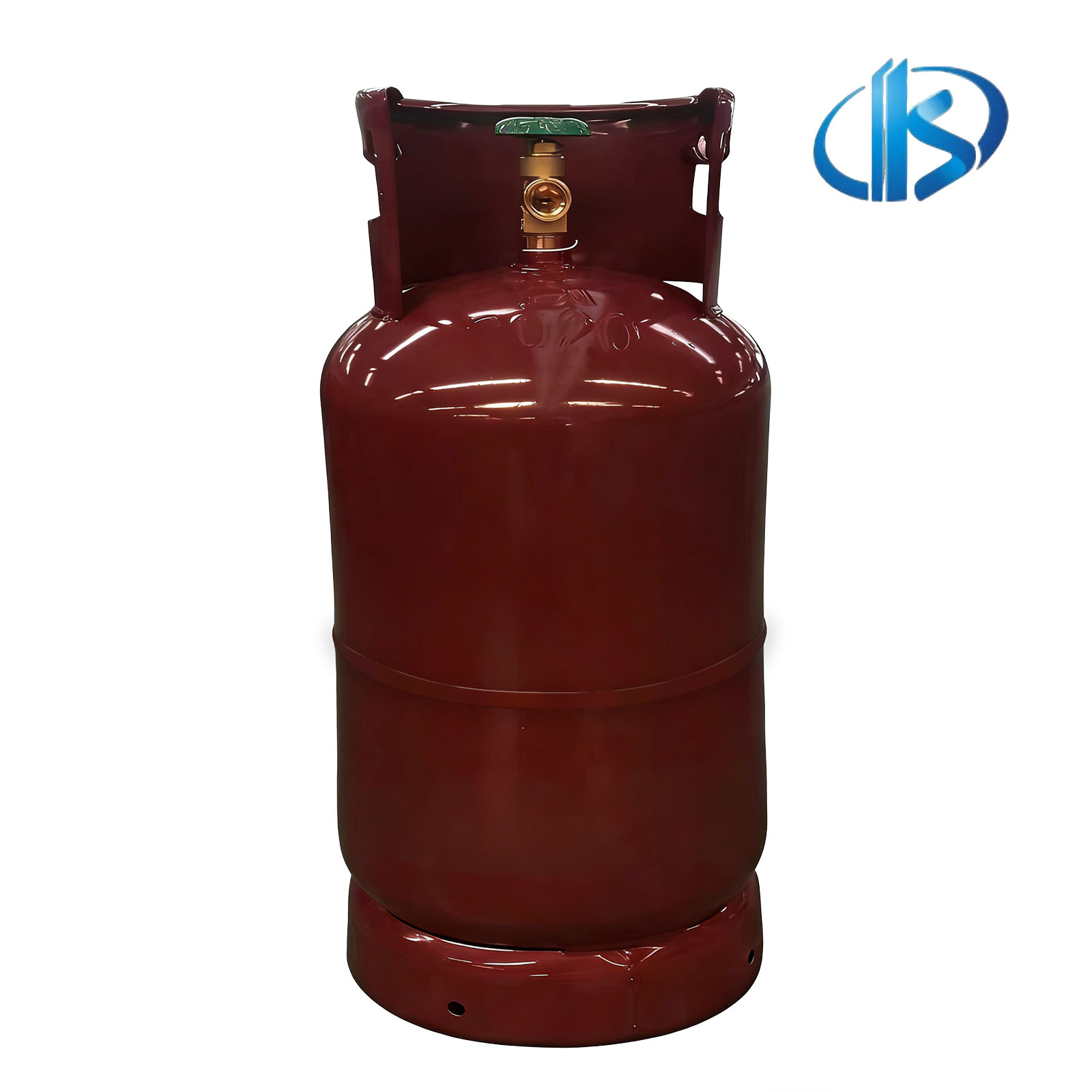
1. Welded gas cylinder
The welded gas cylinder is composed of a cylindrical body welded with thin steel plates and end caps welded together. Welded gas cylinders are commonly used to contain low-pressure liquefied gases, such as liquefied sulfur dioxide.
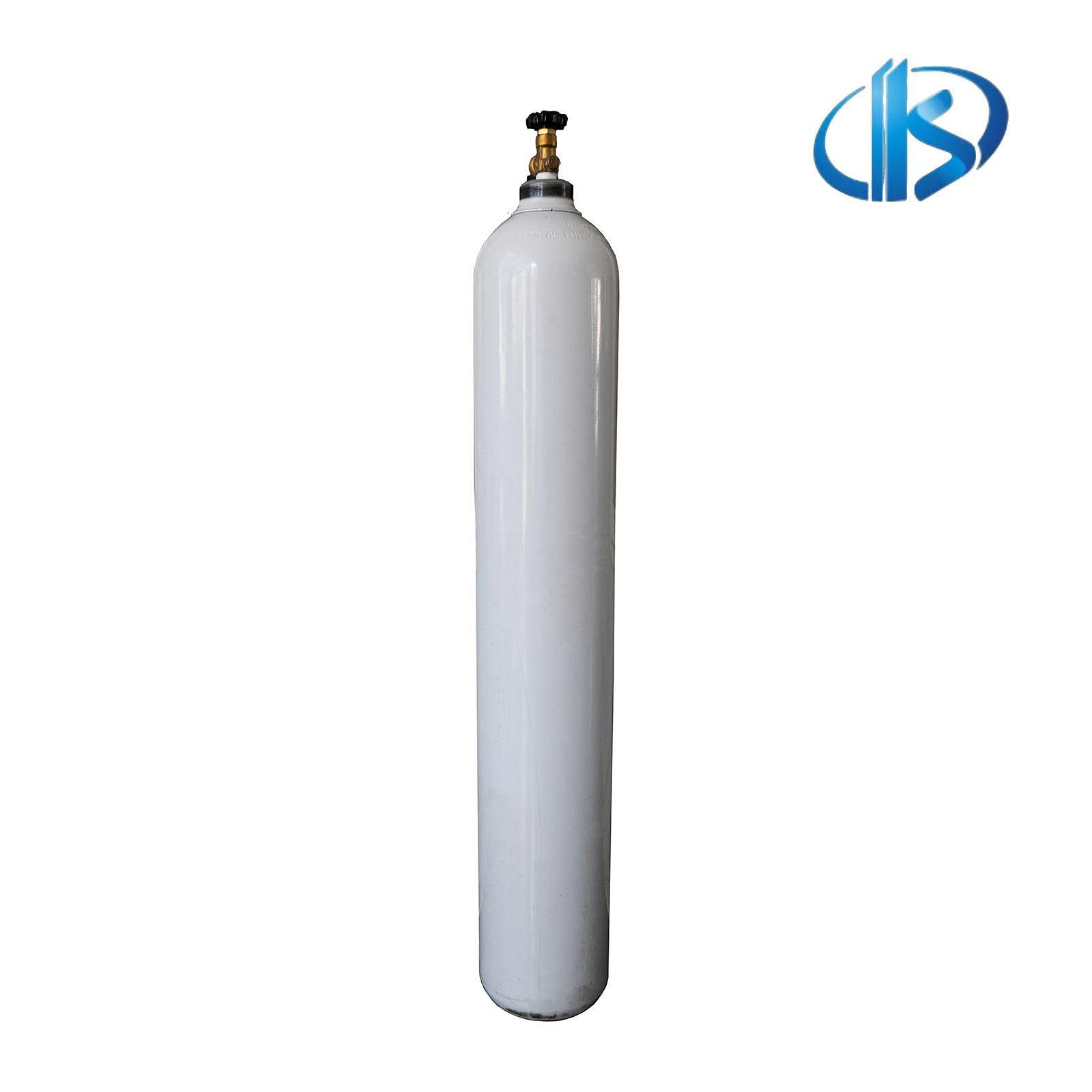
2. Tube-manufactured seamless gas cylinder
Tube-manufactured seamless gas cylinder are seamless gas cylinders made of seamless steel pipes. The heads at both ends are formed by heating steel pipes and placing them on specialized machine tools through spinning or extrusion.
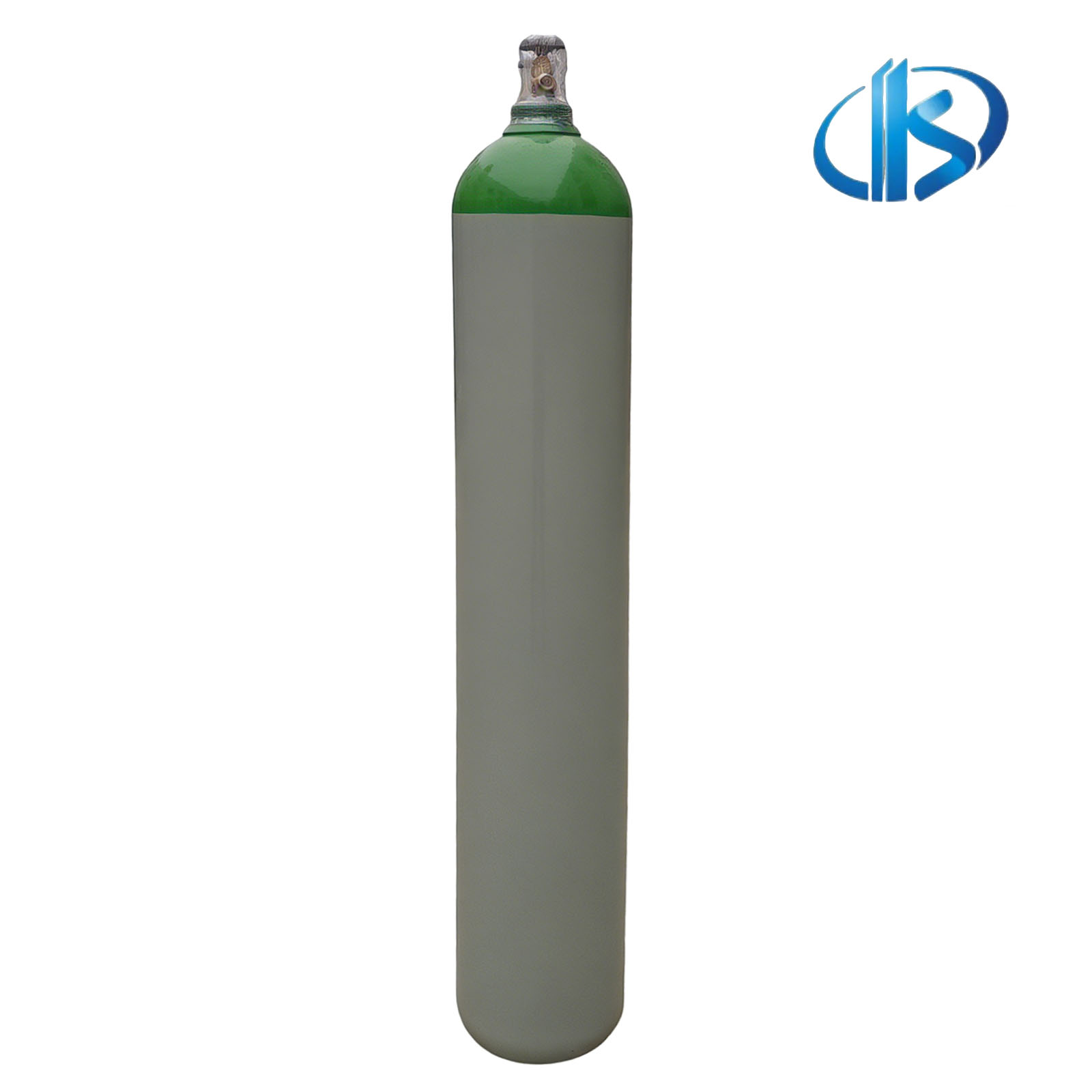
3. Drawn and ironed seamless gas cylinder
It is a process of heating steel ingots and first stamping out concave heads, then drawing them into open bottle blanks, and then producing top heads and interface pipes according to the method of controlling gas cylinders.
4. Filament-wound gas cylinder
This gas cylinder is composed of an aluminum inner cylinder and a certain thickness of alkali free glass fiber wrapped around the outer surface of the inner cylinder. The function of the aluminum inner cylinder is to ensure the airtightness of the gas cylinder. The pressure bearing strength of the gas cylinder relies on the glass fiber shell wall wrapped around the outer surface of the inner cylinder (using epoxy phenolic resin as a bonding agent). The fiber material of the shell is prone to "aging", so its service life is generally not as good as that of steel gas cylinders.